




How to Choose the Right Dining Table for Your Space (Small, Kitchen & Dining Room Ideas)
Choosing the right dining table? Learn how to pick the best round, rectangular, or small dining table for your space with real-life tips from an interior designer.
How to Choose the Right Dining Table for Your Space
Over the past 20 years, we’ve moved quite a bit for my husband’s job, even internationally, often into much smaller homes where every piece had to really work.
No matter where we’ve lived, I’ve always wanted our home to feel calm and cozy.
Sometimes that meant finding a simple table on Facebook Marketplace that just fit the space. Other times, it meant starting from scratch and choosing something new that worked with the home we were in.
What I’ve learned through all of those moves is this: you can create a space that feels both functional and beautiful, no matter what you’re working with, whether you’re renting or buying.
It’s less about having the perfect pieces and more about working with the space you have and making thoughtful choices from there.
Start with Function First
Before choosing a dining table, I always think about how the space is actually used.
Is this where you eat every day? Do the kids do homework here? Is it where you host friends and family? Or is it the only table in the house?
In many homes, especially those with both a kitchen table and a dining room, the kitchen table becomes the heart of daily life. It’s where meals happen, conversations unfold, and everyday moments take place.
That’s why choosing the right dining table matters more than people think.
Choosing the Right Table Shape for Your Space
One of the biggest decisions you’ll make is choosing the shape of your table. A rectangular dining table works beautifully in larger dining rooms and is often the best choice if you regularly need seating for more people.
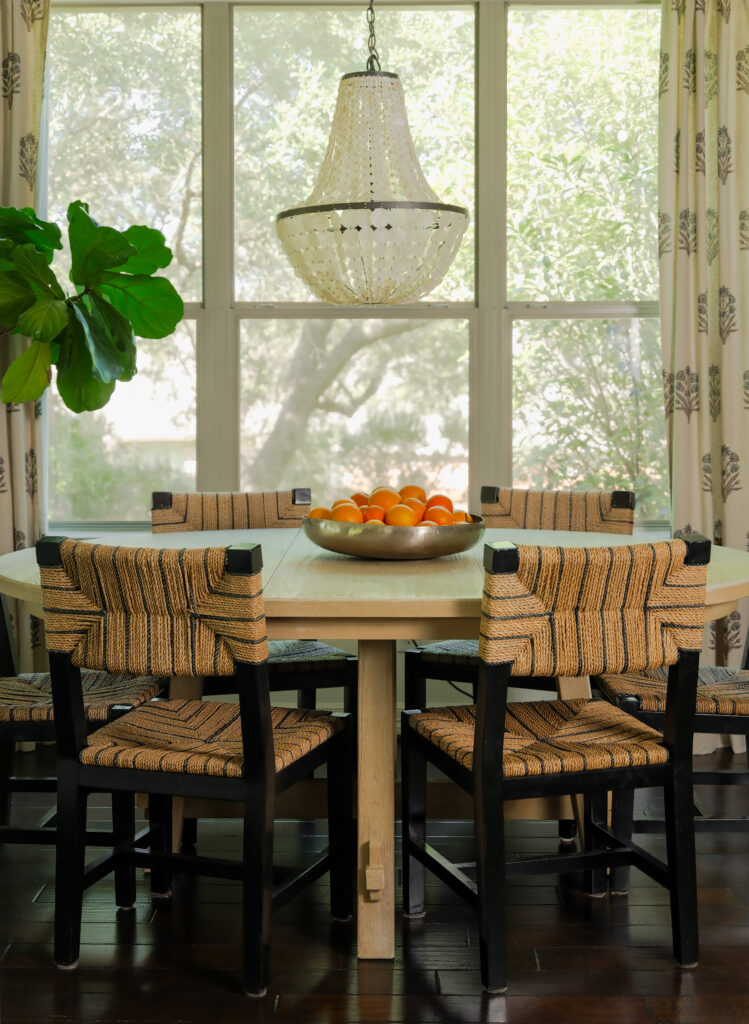
If you’re working with a smaller space, a round dining table can be a game-changer. Round tables naturally improve flow, soften a room, and make it easier to move around comfortably. They’re especially useful in kitchens, breakfast nooks, and smaller dining areas.
An oval dining table offers a nice balance between the two. You get the length and seating capacity of a rectangular table, but the curved edges create a softer, more relaxed feel.
In one of our homes in Sydney, we had a very small kitchen, and I found a simple marble-top pedestal table that became our kitchen table for years. It tucked perfectly into a corner while still giving us enough room to gather comfortably every day.
The goal isn’t to force a table into a room. It’s to find something that works with your space rather than against it.
Dining Tables for Small Spaces
If you’re furnishing a smaller home or apartment, the dining table becomes even more important because every piece has to earn its place.
A small dining table should feel intentional, not like an afterthought.
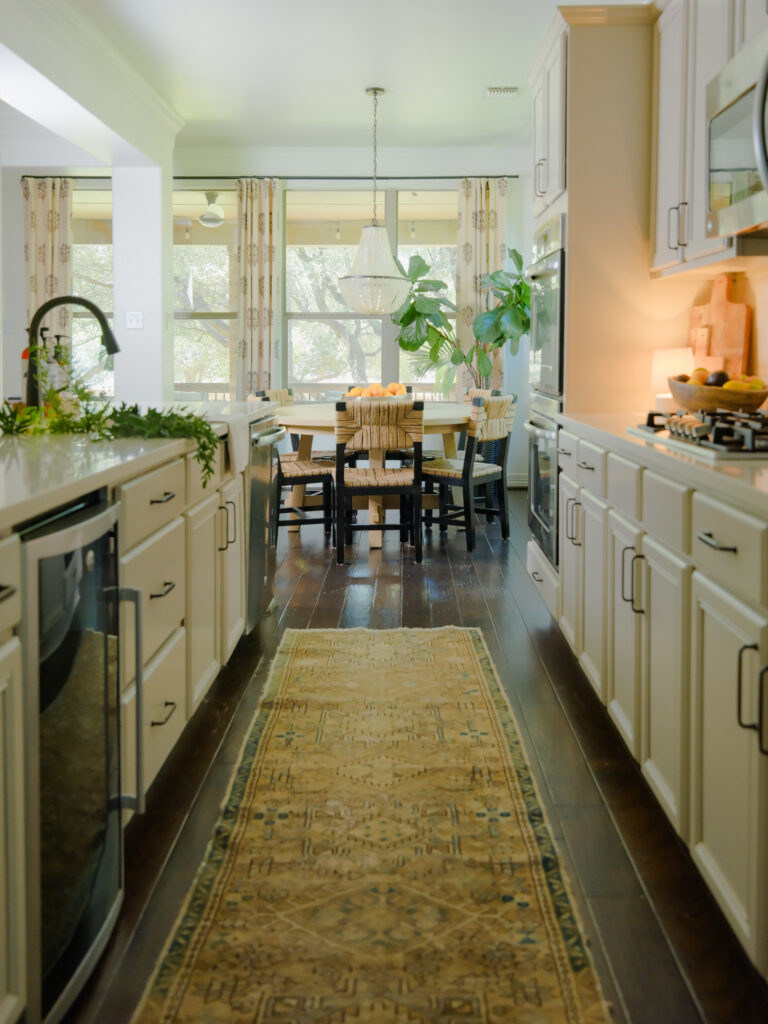
I’ve found that pedestal tables often work well because they create less visual clutter and make seating more flexible. Round and oval shapes tend to feel lighter in a room and improve traffic flow, especially in tighter layouts. Choosing lighter wood tones or finishes can also help a space feel more open and airy.
The truth is, even a small dining table can feel incredibly beautiful when it’s the right size for the room.
Working with What You Have
Not every space needs a complete redesign. Some of my favorite rooms have come from simply rearranging furniture, replacing a table that wasn’t the right scale, or making one thoughtful change that completely shifted the way the room felt.
You don’t always need to start over to create a space that works better.
Sometimes the smallest adjustments have the biggest impact.
When to Start Fresh
Of course, there are times when starting from scratch makes sense.
If your current dining table feels too large, too small, or simply doesn’t work with the room’s layout, it may be worth investing in something new.
When I’m sourcing for clients, I usually look for pieces that feel timeless rather than trendy. I want a table that works with the overall style of the home and can adapt as life changes.
A good dining table should move with you through different seasons of life, whether that’s growing kids, downsizing, or simply changing how you use your space.
A Few Dining Tables I Come Back To Often
Over the years, I’ve saved a handful of dining tables that I return to again and again when sourcing for clients. They’re simple, functional, and easy to live with, which is often exactly what makes them work so well.
At the end of the day, your dining table doesn’t have to be perfect.
It just needs to work for your space, your routine, and the way you actually live in your home.
Those are usually the rooms that end up feeling the most welcoming anyway.


